Outdoor education is never just about activities, skills, or places. At its core, it is about meaning. And meaning is how humans have always made sense of the world — through stories.
Long before training manuals and learning outcomes, people gathered around fires to tell stories of journeys, challenges, loss, courage, and return. In many ways, outdoor education is a modern continuation of this ancient practice.
Why Stories Matter Outdoors
When we step outside — whether into a forest, a mountain range, or a city at night — we leave behind the familiar structures of everyday life. This liminal space is powerful. It opens participants to reflection, vulnerability, and transformation.
Stories help us:
-
Frame experiences, not just remember them
-
Connect emotions to actions
-
See challenges as part of a larger journey
-
Understand ourselves in relation to others
Without story, an activity is just something that happened. With story, it becomes something that matters.
The Hero’s Journey as a Learning Framework
Joseph Campbell’s concept of the Hero’s Journey offers a simple yet profound structure that fits outdoor education naturally.
In outdoor learning, participants often experience:
-
The Call to Adventure – stepping out of comfort zones
-
Crossing the Threshold – entering an unfamiliar environment
-
Trials and Allies – group challenges, conflict, cooperation
-
The Crisis – fear, failure, fatigue, doubt
-
Transformation – insight, confidence, resilience
-
The Return – bringing learning back to everyday life
The power of this model is not in labelling participants as “heroes,” but in helping them recognise that struggle is not a mistake — it is part of growth.
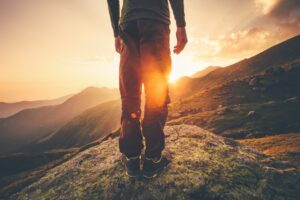
Nature, Cities, and Archetypes
Stories work in forests and cities alike. A mountain can symbolise endurance. A river can represent change. A city street can become a threshold. An abandoned building can mirror inner uncertainty.
Outdoor education allows participants to:
-
Externalise internal experiences
-
Project emotions onto landscapes
-
Use metaphor to talk about difficult topics
-
Share stories without needing perfect words
This is especially valuable when working with young people, leadership development, or mental health — where direct language can sometimes feel too heavy or confronting.
From Participant to Storyteller
When educators consciously use storytelling, participants shift from being passive learners to active narrators of their own experience. Reflection becomes deeper when we ask:
-
Where were you in the journey today?
-
What was your dragon?
-
Who helped you move forward?
-
What are you bringing back with you?
These questions invite meaning-making rather than evaluation. They help participants integrate learning into identity.
Why This Matters Now
In a world marked by uncertainty, burnout, and rapid change, many young people feel stuck in stories of failure, pressure, or disconnection. Outdoor education, when paired with storytelling, offers an alternative narrative:
-
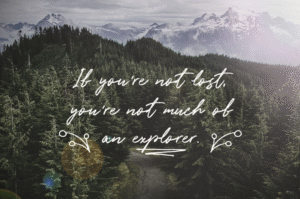
You are not lost — you are on a journey
-
You are not broken — you are learning
-
You are not alone — you have allies
The true power of outdoor education is not that it creates heroes, but that it helps people realise they have always been in a story — and can choose how to continue it.