
Outdoor education has long been rooted in images of forests, mountains, lakes, and remote landscapes. For decades, the “ideal” learning environment has been rural — far away from traffic, screens, and concrete. But what happens when most young people today grow up surrounded not by trees, but by blocks of flats, bus stops, and shopping centres?

The tension between urban and rural outdoor education is not about which is better. It’s about recognising that they are different contexts with different possibilities, and that both deserve equal pedagogical value.
The Rural Promise
Rural outdoor education offers something powerful and undeniable: space. Physical space to move, breathe, get lost (safely), and reconnect with nature. It allows young people to:
-
Experience silence and darkness
-
Build practical survival skills
-
Develop resilience through physical challenge
-
Reconnect with natural rhythms
For many participants, rural environments create a sense of novelty and awe — stepping into a world that feels “other” than everyday life. This can be transformative, especially for young people who have never left the city.
The Urban Reality
At the same time, urban spaces are where many young people actually live their lives. Cities are dense with stories, social tensions, cultural diversity, inequalities, creativity, and conflict. Urban outdoor education:
-
Takes place in real-life environments
-
Engages directly with social and political realities
-
Makes learning immediately relevant and accessible
-
Removes barriers of cost, travel, and time
A city walk, a night exploration of a neighbourhood, or a challenge in a public square can be just as demanding — emotionally and socially — as a mountain hike.
Not Either/Or, But Both
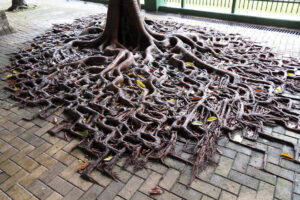
The real question is not urban or rural, but how outdoor education adapts to context. Rural settings often teach us about nature and self-reliance. Urban settings teach us about society, systems, and coexistence.
Both can:
-
Build leadership
-
Strengthen group cohesion
-
Develop critical thinking
-
Support wellbeing and reflection
When we stop seeing urban environments as a “lesser” alternative and start seeing them as legitimate outdoor classrooms, outdoor education becomes more inclusive, relevant, and future-ready.