What happens when education moves beyond four walls and into the streets, parks, squares, staircases, graffiti-covered alleys, and overlooked corners of the city?
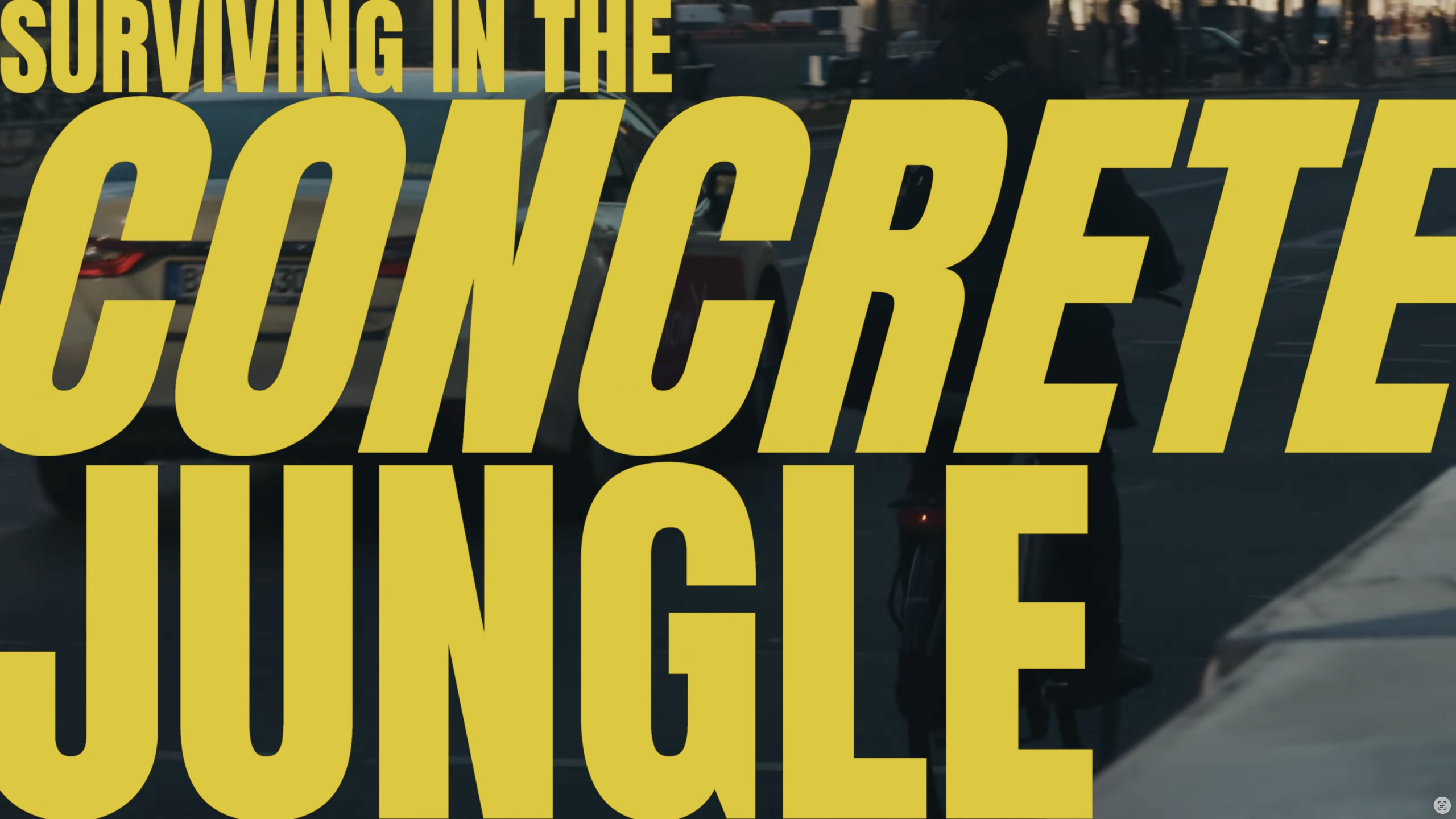
The video for Concrete Jungle – Outdoor Education Revisited Through an Urban Lens captures exactly that question in motion. Through moments of exploration, interaction, reflection, and shared experience, the project challenges traditional ideas of where learning happens and what education can look like in urban environments.
Watch: Concrete Jungle – Outdoor Education Revisited Through an Urban Lens
At the heart of the project is a simple but powerful idea: the city itself can become a learning space. Rather than seeing urban environments as disconnected from outdoor education, the project explores how cities offer their own opportunities for discovery, creativity, resilience, and critical thinking.
Participants engage with the urban landscape not as passive observers, but as active explorers. Streets become pathways for reflection. Public spaces become places for dialogue. Everyday environments become opportunities to question systems, notice inequalities, and imagine alternatives. The project invites young people to slow down and truly observe the spaces they move through daily — asking who designed them, who feels welcome within them, and how cities shape the way we live together.
The video beautifully reflects this process through movement and atmosphere. Instead of presenting the city merely as a background, it shows urban space as something alive — constantly interacting with the people within it. Through group activities, creative challenges, shared conversations, and moments of curiosity, participants experience learning as something embodied and experiential.
Outdoor education ha s traditionally been associated with forests, mountains, and rural landscapes. Concrete Jungleexpands that understanding. It demonstrates that outdoor learning can thrive in highly urbanised environments as well, where young people can build awareness, connection, empathy, and agency through direct engagement with their surroundings. Research increasingly highlights how outdoor and place-based learning strengthens critical thinking, collaboration, emotional development, and engagement with community spaces.
The project also encourages participants to rethink the relationship between nature and the city. Urban environments are often viewed as disconnected from nature, yet cities contain their own ecosystems, hidden biodiversity, and forms of human interaction that shape everyday life. By exploring these intersections, participants begin to see the city not only as infrastructure, but as a living environment filled with stories, tensions, and possibilities.
More importantly, the project empowers young people to become active participants in shaping the spaces around them. Through non-formal education methods and collective exploration, they are encouraged to question, imagine, and co-create visions of more inclusive, sustainable, and human-centred cities.
Captured through the lens of videographer Michal Kalina (Berlin), the film does more than document activities — it captures a mindset. A way of learning that values experience over instruction, participation over passivity, and connection over routine.
Because sometimes the most important lessons are not found inside classrooms.
Sometimes they are waiting just outside the door.